
In a world filled with disposable items and endless waste, upcycling has emerged as a superhero for the eco-conscious and the creatively inclined. Imagine transforming that old dresser into a chic TV stand or turning wine bottles into stunning light fixtures. It’s not just about saving the planet; it’s about unleashing your inner artist while giving your home a fresh twist.
Upcycling isn’t just trendy; it’s a quirky adventure waiting to happen. With a dash of imagination and a sprinkle of elbow grease, anyone can breathe new life into forgotten treasures. So grab those dusty items lurking in your attic and prepare to impress your friends with your newfound skills. Who knew saving the Earth could be this stylish—and fun? Dive into the world of upcycling and watch your home transform into a unique reflection of your personality.
What Is Upcycling Home?
Upcycling home refers to the practice of creatively reusing and transforming old items into functional or decorative pieces within a living space. It involves taking materials that might otherwise end up in a landfill and reimagining their purpose. The process emphasizes resourcefulness, showcasing creativity by breathing new life into forgotten objects.
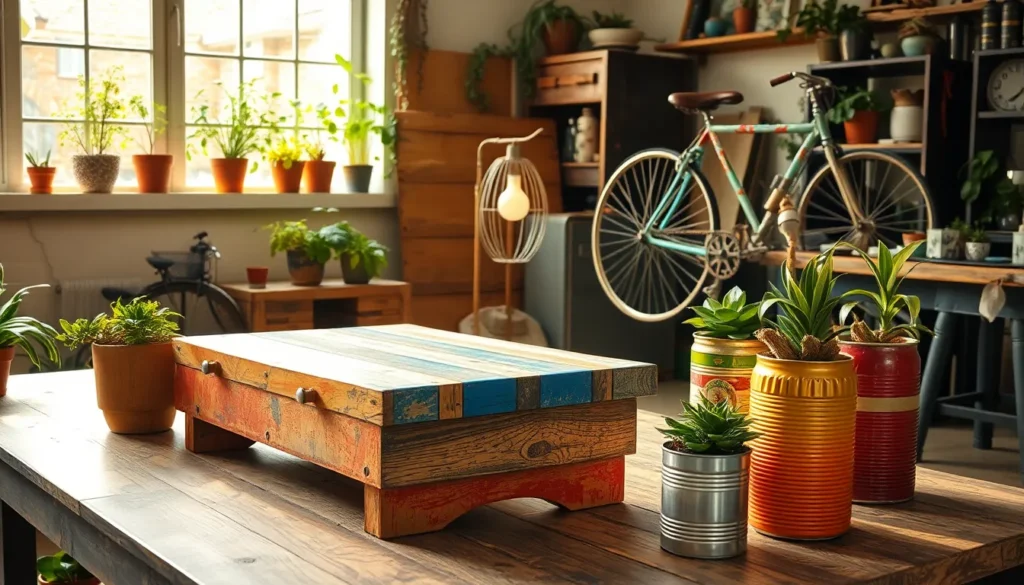
Crafting projects typically include furniture renovation, fabric repurposing, or decorative item creation. For example, an old dresser can become a stylish TV stand with some paint and a bit of ingenuity. Items like glass jars transform into charming light fixtures, while wooden pallets can serve as rustic shelves.
Environmental benefits accompany upcycling home practices. By reducing waste, this approach conserves resources and lessens pollution associated with manufacturing new products. Individuals contribute to sustainability efforts while enhancing their home aesthetics through unique creations.
Sharing skills and ideas within communities fosters collaborative upcycling initiatives. Workshops and online platforms encourage enthusiasts to exchange tips, project ideas, and completed works. Such social engagement not only helps individuals develop their skills but also builds a network of like-minded creators.
Investing time in upcycling home projects yields both personal satisfaction and an inviting environment. Customized pieces tell a homeowner’s story, gracing spaces with character and charm. Upcycling offers a rewarding opportunity to embrace sustainability, creativity, and individuality in home decor.
Benefits of Upcycling Home
Upcycling home provides numerous advantages, enhancing both creativity and sustainability. Several key benefits stand out.
Environmental Impact
Reducing waste stands as a key environmental benefit of upcycling. Repurposing old items significantly cuts down on the volume of materials ending up in landfills. Conserving resources occurs through minimized demand for new materials, directly impacting the environment. Using existing resources helps lessen pollution related to production. Additionally, upcycling encourages a mindset geared toward sustainability, promoting a culture of reuse that can extend beyond individual homes. Supporting a circular economy arises when people embrace finding new purposes for old items, fostering a greater appreciation for the environment.
Cost Savings
Achieving cost savings represents one of the most appealing aspects of upcycling. Homeowners can save significant amounts by creatively transforming items rather than purchasing new. Many upcycling projects utilize materials already on hand, avoiding additional spending. Exploring thrift stores or garage sales often yields treasures that can be revived at low cost. Enhancing home decor through upcycling instead of traditional shopping leads to impressive financial benefits. Ultimately, by upcycling, individuals gain stylish decor while keeping their expenses in check.
Popular Upcycling Projects
Upcycling offers numerous creative projects for enhancing home spaces. These projects allow individuals to express creativity while promoting sustainability.
Furniture Transformation
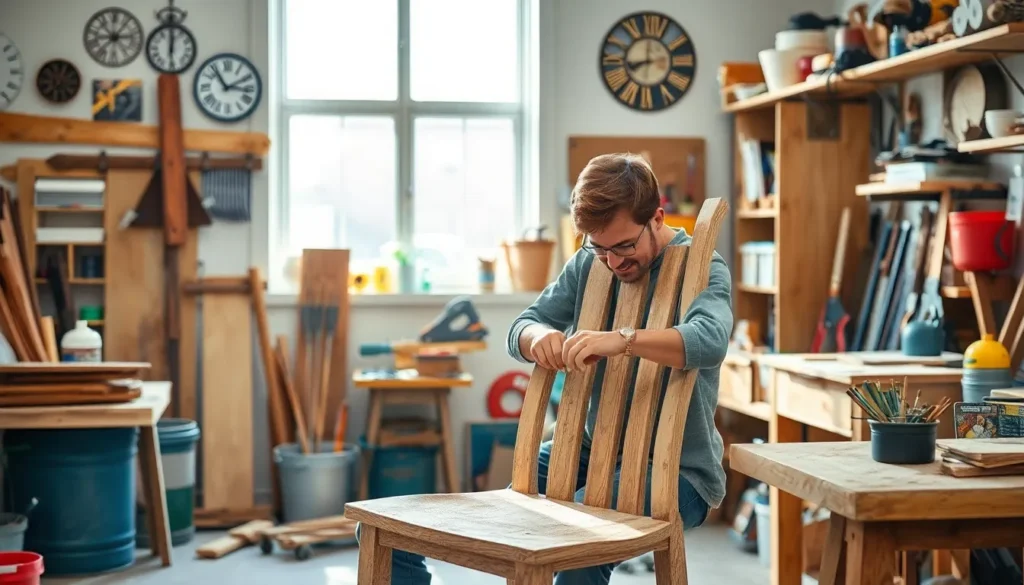
Transforming furniture proves to be one of the most rewarding upcycling endeavors. An old dresser can easily become a stylish TV stand, redefining its purpose. Chairs can be given new life with fresh upholstery and a splash of paint. Couches can get a modern twist through slipcovers or by adding new cushions. Each piece showcases unique creativity, inviting a personalized touch to living environments. Built-in shelving units can also become eye-catching kitchen organizers with thoughtful adjustments. Homeowners enjoy discovering new utility for their items, elevating both functionality and aesthetics.
Home Decor Ideas
Repurposing decor items is another exciting category of upcycling. Glass jars can be turned into charming light fixtures, casting a warm glow across rooms. Old frames can serve as unique backdrops for art displays or mirrors, showcasing creativity in unexpected ways. Vintage fabrics offer inspiration for creating cushion covers, table runners, or wall hangings. Old doors can transform into rustic wall art or functional desks, enriching room ambiance. Each project enhances the character of the home while reflecting individual style. Upcycling items for decor encourages creativity and reveals hidden potential in everyday objects.
Tips for Successful Upcycling
Successful upcycling requires creativity and careful planning. Focusing on the right materials and techniques ensures satisfying results.
Choosing the Right Materials
Select items that possess unique characteristics, such as vintage or sturdy materials. Look for pieces with potential, like old furniture or glass containers. Consider the item’s condition; minor damage can often be repaired or transformed into a design element. Prioritize sustainable options, such as reclaimed wood, which adds both charm and eco-friendliness. Always keep in mind the intended purpose of the item, ensuring it fits into the overall decor scheme while allowing personal style to shine.
Tools and Techniques
Invest in essential tools that simplify the upcycling process. Basic equipment includes a drill, paintbrushes, and safety goggles. Familiarize oneself with techniques like sanding and painting, as these enhance durability and aesthetics. Embrace creativity by experimenting with textures and colors, which can breathe new life into ordinary pieces. Detail-oriented methods, such as stenciling or decoupage, add flair to projects, making them uniquely personal. Always wear protective gear and follow safety precautions, ensuring a fun and secure crafting experience.
Embracing upcycling not only transforms living spaces but also fosters a deeper connection with the environment. By creatively reimagining old items, individuals can showcase their unique style while contributing to sustainability. Each project offers an opportunity for personal expression and resourcefulness, proving that beauty can emerge from what might otherwise be discarded.
As communities engage in upcycling initiatives, the collective impact grows, encouraging a culture of reuse and creativity. With every item repurposed, homeowners can take pride in their contributions to reducing waste and promoting a circular economy. Upcycling is more than just a trend; it’s a movement that inspires creativity and environmental responsibility in home decor.

