
Natural light can transform any space from drab to fab, and skylights are the secret weapon in this glow-up battle. Imagine waking up to the sun streaming through your ceiling, turning your home into a cheerful haven. Not only do skylights brighten rooms, but they also add a touch of elegance and charm. Who wouldn’t want to bask in the glory of a sunlit sanctuary?
Overview of Skylight Ideas
Skylights serve as innovative fixtures that enhance both aesthetics and functionality in various spaces. Homeowners often choose skylights for their ability to flood interiors with natural light, creating an inviting ambiance. Different types of skylights cater to various needs, from fixed and vented options to tubular designs that fit tight spaces.
Placement plays a crucial role in maximizing light penetration. Situating skylights on the south-facing side of a home allows ample sunlight throughout the day. Considering potential obstructions, such as trees and nearby buildings, optimizes light intake and prevents unwanted shadows.
Materials can vary among skylights, including glass, polycarbonate, and acrylic. Each material offers distinct benefits, such as thermal insulation properties and UV protection. Homeowners should assess their local climate when selecting materials to prevent excess heat gain or loss.
Style also matters when incorporating skylights into a design. Traditional styles can be complemented by elegant arches or intricate frame designs. Modern aesthetics might favor minimalist shapes that blend seamlessly with existing architecture.
In addition to aesthetics, energy efficiency remains a priority. Energy-efficient skylights reduce reliance on artificial lighting, resulting in lower electricity bills. Selecting options with proper insulating properties can help maintain comfortable indoor temperatures year-round.
Installation can vary in complexity, thus professional help is often advisable for larger skylights. DIY projects might be suitable for smaller, tubular skylights but knowing local building codes is essential. Ensuring a proper seal during installation prevents leaks and air infiltration, safeguarding both comfort and energy efficiency.
Exploring skylight ideas transforms a home into a brighter, more welcoming space.
Benefits of Installing Skylights
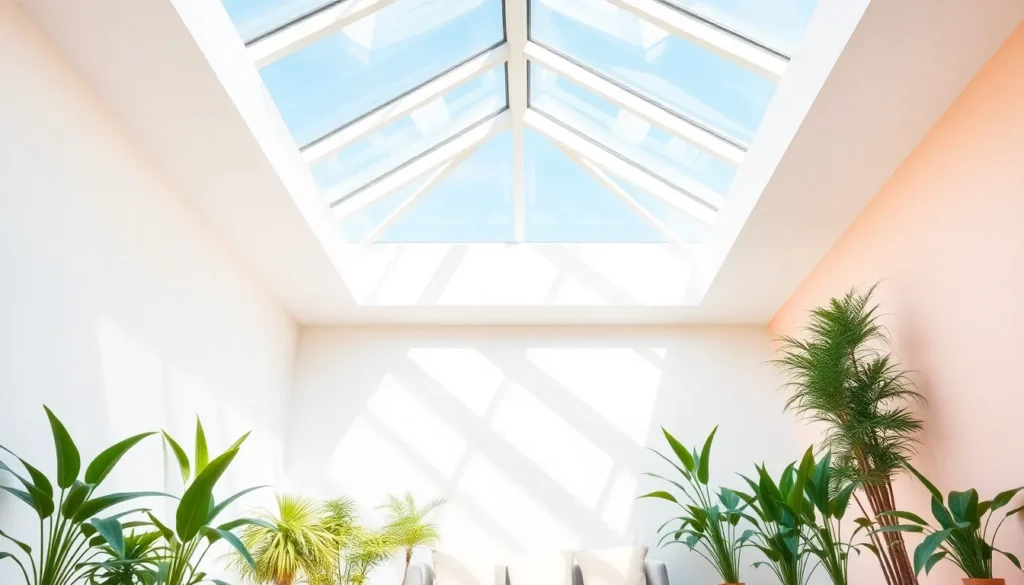
Installing skylights offers numerous advantages that enhance both the aesthetics and functionality of a space.
Natural Light Enhancement
Natural light significantly transforms interiors, creating a vibrant atmosphere. Skylights allow sunlight to flood in from above, brightening dark corners and creating an open, airy feel. This boost in natural light reduces the need for artificial lighting, contributing to a more pleasant environment. People generally feel more energized and productive when surrounded by ample sunlight. By positioning skylights strategically, such as in south-facing locations, light penetration reaches its peak throughout the day. This thoughtful placement elevates the overall ambiance, turning any room into a sunlit haven.
Energy Efficiency
Energy efficiency becomes a key benefit when adding skylights to a home. Skylights help in reducing electricity costs by harnessing natural sunlight during the day. Opting for energy-efficient models can result in significant savings, mainly when fitted with low-E glass to minimize heat gain. Maintaining comfortable indoor temperatures in summer and winter becomes easier as well. Not surprisingly, proper ventilation from vented skylights enhances air circulation, further reducing reliance on heating and cooling systems. Homeowners consistently notice these factors lead to lower energy bills and a smaller carbon footprint, making skylights a wise investment.
Types of Skylights
Various skylight types cater to different needs, ensuring that homeowners can choose the right option for their space.
Fixed Skylights
Fixed skylights provide a straightforward and effective way to bring natural light into a space. These skylights remain stationary, meaning they do not open. They excel at brightening areas where ventilation isn’t essential, such as hallways and stairwells. Made from materials like glass or acrylic, fixed skylights offer excellent insulation and UV protection. Homeowners value their durability and low maintenance requirements. Custom shapes and sizes provide versatility, allowing integration into any architectural design.
Ventilated Skylights
Ventilated skylights combine light and airflow, enhancing indoor comfort. Designed to open, these skylights allow for improved air circulation and ventilation. Homeowners can benefit from reduced humidity and improved indoor air quality. Many ventilated skylights can open automatically, responding to temperature changes, which adds convenience. In addition, they often include rain sensors, closing automatically in wet weather. This versatility suits kitchens and bathrooms, where ventilation significantly impacts comfort and freshness.
Tubular Skylights
Tubular skylights serve as compact and efficient options for limited spaces. These skylights use reflective tubing to channel natural light from the roof into interior areas. Ideal for small rooms or dark corners, tubular skylights fit seamlessly into tight spots. Installation often requires less structural work than traditional skylights, making them suitable for DIY projects. Homeowners appreciate their energy efficiency, as they provide ample light without heat gain. Various designs are available, ensuring compatibility with different home styles while maximizing brightness without compromising aesthetics.
Design Considerations for Skylights
Designing skylights involves strategic choices to maximize their benefits. Key factors include placement and orientation, size and shape.
Placement and Orientation
Positioning skylights plays a significant role in maximizing natural light. South-facing skylights capture ample sunlight throughout the day. East-facing options provide morning light, while west-facing designs shine in the afternoon. Additionally, placing skylights in areas that benefit from sunlight, such as living rooms or kitchens, enhances their impact. Avoiding overhanging trees or structures ensures unobstructed light access. During installation, considering the home’s architecture and roof pitch influences light direction and distribution.
Size and Shape
Choosing the right size and shape contributes to the overall effectiveness of skylights. Larger skylights allow for increased light flow, but they require careful consideration of structural support. Installing several smaller skylights can also create a similar effect, enhancing aesthetics while distributing light evenly. Rectangular skylights offer a modern appeal, while circular designs can add a unique touch. Ensuring proportions match the room’s dimensions maintains visual balance. Overall, the size and shape should align with personal style and functional requirements throughout the space.
Incorporating skylights into a home can dramatically enhance its overall appeal and functionality. By allowing natural light to flood in they create a warm and inviting atmosphere that elevates daily living. The variety of skylight options available ensures there’s a perfect fit for every space and style preference.
With careful consideration of placement and design homeowners can maximize the benefits of natural light while also improving energy efficiency. Whether opting for fixed, vented, or tubular skylights each choice brings unique advantages that contribute to a brighter and more cheerful environment. Embracing these skylight ideas not only transforms spaces but also represents a smart investment for long-term energy savings and comfort.

