
In a world where energy bills can feel like a second mortgage, energy-efficient upgrades are the superhero every homeowner needs. Imagine slashing those monthly expenses while doing your part to save the planet—it’s like getting a high-five from Mother Nature herself. Not only do these upgrades help your wallet, but they also boost your home’s value faster than a cat meme goes viral.
From swapping out old appliances for snazzy energy-efficient models to sealing those pesky drafts that sneak in like uninvited guests, the options are endless. It’s time to turn your home into an energy-saving fortress. So buckle up and get ready to discover how small changes can lead to big savings, all while keeping your sense of humor intact. After all, who said saving energy couldn’t be fun?
Overview of Energy-Efficient Upgrades
Energy-efficient upgrades offer a wide range of benefits for homeowners. These improvements can lead to substantial reductions in monthly energy expenses. Enhancing home efficiency decreases the overall demand for energy, which ultimately benefits the environment.
Various energy-efficient options exist. Replacing old appliances with Energy Star-rated models often results in lower energy consumption. Sealing drafts around windows and doors prevents air leaks, maintaining a consistent indoor temperature and reducing heating and cooling costs.
Homeowners can also benefit from improved insulation. Upgrading insulation in attics or walls can enhance thermal resistance, minimizing energy loss. Installing energy-efficient windows not only enhances aesthetics but also improves insulation values, further contributing to energy savings.
Investing in smart home technologies provides additional savings opportunities. Smart thermostats enable users to control heating and cooling schedules remotely, optimizing energy use. LED lighting options consume less electricity than traditional bulbs, providing both longevity and cost savings.
Financial incentives may be available to homeowners pursuing these upgrades. Federal tax credits and rebate programs support energy-efficient improvements, making them more accessible. In addition to cost savings, these upgrades enhance property value, making homes more appealing to potential buyers.
Benefits of Energy-Efficient Upgrades
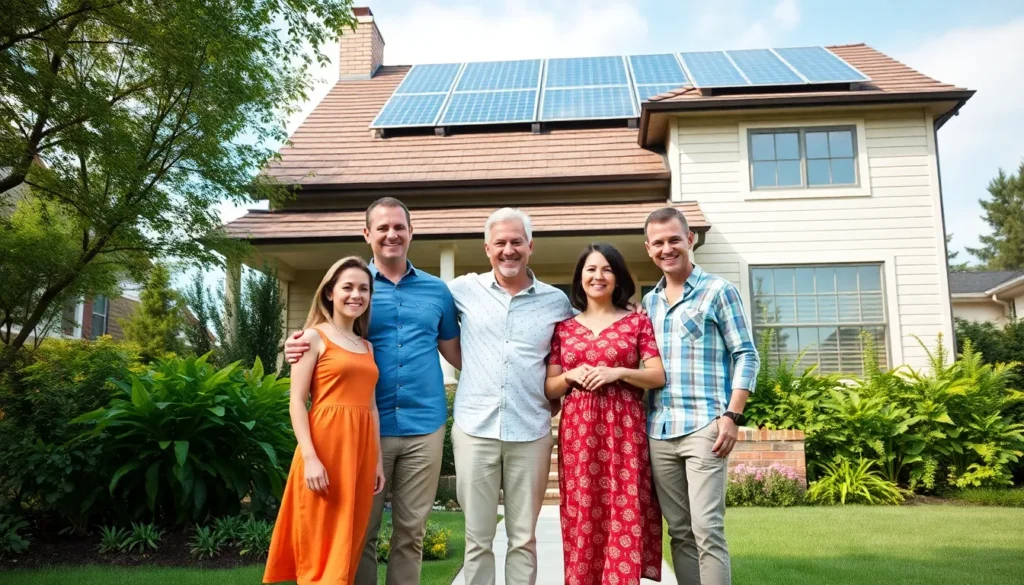
Energy-efficient upgrades offer significant advantages for homeowners. These improvements lead to savings on energy bills and enhance home value.
Cost Savings
Cost savings represent a key benefit of energy-efficient upgrades. Replacing old appliances with Energy Star-rated models reduces electricity consumption, leading to lower utility bills. Smart thermostats optimize heating and cooling, providing further monthly savings. Draft sealing around windows and doors often eliminates energy loss, enhancing comfort and efficiency. Homeowners may see a reduction of 10% to 30% in annual energy costs. Federal tax credits and rebate programs can offset the upfront investment, making upgrades more affordable.
Environmental Impact
Environmental impact plays an important role in the appeal of energy-efficient upgrades. These improvements lower greenhouse gas emissions and reduce dependence on fossil fuels. Upgrading insulation in attics and walls contributes to less energy waste, which benefits both the planet and homeowners. Installing energy-efficient windows can further minimize environmental impact by reducing heating and cooling demands. Using LED lighting instead of incandescent bulbs significantly cuts electricity use, emphasizing the connection between energy efficiency and sustainability. Each improvement supports a healthier environment and promotes conservation efforts.
Common Energy-Efficient Upgrades
Energy-efficient upgrades enhance home value while reducing energy expenses. Implementing these improvements can lead to significant cost savings and environmental benefits.
Insulation Improvements
Improving insulation in attics or walls prevents heat loss and lowers energy consumption. Proper insulation maintains comfortable indoor temperatures, decreasing reliance on heating and cooling systems. This upgrade often results in a 15% to 20% reduction in annual energy bills. Sealing air leaks with weatherstripping or caulk maximizes insulation effectiveness. Homeowners may qualify for rebates or incentives when upgrading insulation, making it a smart investment.
Efficient HVAC Systems
Installing efficient HVAC systems enhances indoor comfort and reduces energy costs. ENERGY STAR-certified models consume up to 30% less energy than standard units. Regular maintenance, such as changing filters and checking ducts, prolongs system effectiveness. Smart thermostats optimize energy efficiency by adjusting temperatures based on occupancy patterns. In many cases, replacing an old system with a more efficient unit leads to a quicker return on investment.
LED Lighting
Switching to LED lighting significantly lowers electricity use compared to traditional incandescent bulbs. LED lights consume up to 75% less energy and last 25 times longer, cutting replacement costs. Homeowners appreciate the variety of styles and brightness levels, making it easy to upgrade aesthetics and lighting quality. Additionally, installing smart lighting solutions enhances energy efficiency, allowing for remote control and scheduled operation. Over time, these changes contribute to noticeable energy savings.
How to Choose the Right Upgrades
Selecting energy-efficient upgrades requires careful evaluation and planning. Consider what areas of the home need improvement for optimal energy savings.
Assessing Your Home’s Needs
Identify the main energy-consuming areas within the home. Evaluate heating and cooling systems, old appliances, and insulation levels. Windows and doors can be major sources of drafts, so inspecting them is crucial. Consider using energy audits that highlight specific weaknesses. Understanding where inefficiencies occur helps prioritize upgrades. Homeowners may find that addressing insulation first yields significant energy savings, as it can prevent 15% to 20% of heat loss, leading to lower costs.
Budget Considerations
Establishing a budget sets the framework for upgrades. Assess upfront costs and long-term savings from energy-efficient improvements. Efficient HVAC systems typically cut energy consumption by up to 30%, making them a worthy investment despite initial expenses. Factor in available financial incentives, such as federal tax credits and rebate programs, to ease the financial burden. Homeowners often find it helpful to allocate funds based on both immediate needs and future savings. Balancing priorities ensures that upgrades align with financial plans while maximizing energy efficiency.
Embracing energy-efficient upgrades is a smart choice for homeowners looking to save money and enhance their property’s value. These improvements not only lead to significant reductions in energy bills but also contribute to a more sustainable future. By investing in modern technologies and efficient appliances, homeowners can enjoy long-term financial benefits while minimizing their environmental footprint.
With available financial incentives, the initial costs of these upgrades become more manageable. Ultimately, the decision to enhance energy efficiency is a win-win situation, promoting both economic savings and ecological responsibility. Making thoughtful upgrades today can pave the way for a brighter and more sustainable tomorrow.

