
In a world where energy bills can rival a small country’s GDP, energy efficiency is the superhero we didn’t know we needed. Imagine slashing those costs while saving the planet—it’s like getting a double scoop of ice cream and only feeling a little guilty about it. With rising energy prices and environmental concerns, it’s time to embrace the idea that being efficient isn’t just smart; it’s downright cool.
Energy efficiency isn’t just about turning off lights and feeling like a responsible adult. It’s about making savvy choices that lead to big savings and a greener future. From upgrading appliances to optimizing home insulation, small changes can pack a powerful punch. So why not dive into the world of energy efficiency? It’s a win-win that’ll have your wallet and Mother Earth thanking you.
Understanding Energy Efficiency
Energy efficiency involves using less energy to provide the same service. It encompasses various methods to reduce energy consumption while maintaining comfort and functionality.
What Is Energy Efficiency?
Energy efficiency refers to using technology or practices that require less energy to perform the same function. For example, LED bulbs provide the same brightness as traditional incandescent bulbs while consuming about 75% less energy. Efficient appliances utilize advanced designs to operate more effectively, resulting in lower energy bills. This efficiency not only conserves resources but also minimizes environmental impact.
Importance of Energy Efficiency
Energy efficiency plays a crucial role in reducing utility expenses and decreasing reliance on non-renewable energy sources. Implementing energy-efficient practices can lead to savings of up to 30% on energy costs annually. It supports environmental sustainability by lowering greenhouse gas emissions, which contribute to climate change. Additionally, energy-efficient buildings often experience increased property values and enhanced occupant comfort. Prioritizing energy efficiency is essential for both economic savings and environmental health.
Benefits of Energy Efficiency
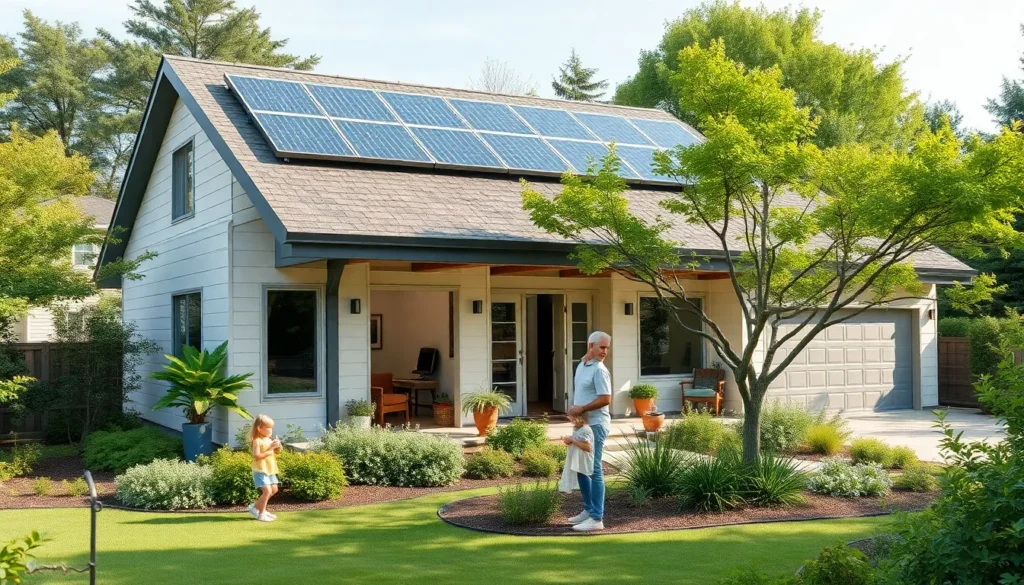
Energy efficiency yields numerous advantages that extend to both economic and environmental aspects. These benefits are significant in promoting sustainable practices.
Economic Benefits
Implementing energy-efficient measures can lead to savings of up to 30% on energy bills annually. Homeowners often notice reduced monthly expenses after upgrading to energy-efficient appliances. Increased property values tend to follow, making homes equipped with energy-saving technologies more attractive to buyers. Businesses also experience lower operational costs as they invest in energy-efficient systems, enhancing profit margins. Tax incentives often accompany these upgrades, providing further financial relief.
Environmental Benefits
Energy efficiency plays a vital role in reducing greenhouse gas emissions. By consuming less energy, households and businesses collectively decrease their carbon footprints. Enhanced efficiency in buildings leads to lower energy demand, which decreases reliance on fossil fuels for energy production. Improved air quality results from this reduction, positively impacting public health. Sustainable practices, including energy-efficient technologies, contribute to the conservation of natural resources, ensuring a healthier planet for future generations.
Energy Efficiency in Residential Buildings
Energy efficiency plays a critical role in maximizing comfort and minimizing costs in residential buildings. Home improvements and smart technologies significantly contribute to achieving these goals.
Home Improvements for Energy Efficiency
Upgrading insulation is a key step for enhancing energy efficiency. Proper insulation reduces heat loss in winter and keeps homes cool during summer months. Replacing old windows with energy-efficient models also decreases energy consumption. Homes equipped with efficient heating and cooling systems further optimize energy usage. Installing energy-efficient appliances, such as refrigerators and washing machines, leads to notable reductions in electricity bills. Engaging in regular maintenance of HVAC systems ensures they operate at peak performance, enhancing overall efficiency.
Smart Home Technologies
Smart home technologies increasingly support energy efficiency. Automated thermostats allow homeowners to adjust temperatures based on their daily routines, leading to significant savings on energy bills. Smart lighting systems can adjust brightness according to occupancy, eliminating unnecessary energy waste. Energy monitoring devices provide real-time feedback on consumption patterns, empowering homeowners to make informed decisions. Utilizing app-controlled devices enables remote management of appliances, further optimizing energy use. By integrating these technologies, homeowners enhance both convenience and efficiency in their energy consumption practices.
Energy Efficiency in Commercial Buildings
Energy efficiency plays a crucial role in the sustainability of commercial buildings, promoting both cost savings and environmental stewardship. Businesses can implement various strategies to enhance energy efficiency and boost their bottom line.
Strategies for Energy Efficiency
Upgrading lighting systems to LED technology reduces energy consumption significantly. Installing energy management systems helps monitor and optimize usage patterns. Enhancing insulation and sealing gaps in buildings prevents energy leaks. Incorporating smart thermostats adjusts heating and cooling based on real-time occupancy. Regular HVAC maintenance ensures systems operate at peak efficiency. Finally, utilizing renewable energy sources like solar panels can further reduce reliance on fossil fuels.
Case Studies
A prominent retailer revamped its lighting, replacing traditional fixtures with LEDs, resulting in a 30% reduction in energy costs. An office building integrated an advanced energy management system, achieving a 25% decrease in overall energy usage. A large manufacturing facility employed a combination of high-efficiency motors and smart controls, which led to a 20% improvement in energy efficiency. These real-world examples demonstrate the tangible benefits of investing in energy-efficient upgrades within commercial spaces.
Government Policies and Incentives
Government policies play a vital role in promoting energy efficiency initiatives. Regulations often mandate energy-saving standards for appliances and buildings. These standards ensure that performance meets set efficiency benchmarks, thereby reducing overall energy consumption.
Regulations Supporting Energy Efficiency
Federal and state regulations establish a framework for energy efficiency improvements. Programs like the Energy Star certification set specific performance criteria for appliances, encouraging manufacturers to produce more efficient products. Additionally, the Department of Energy (DOE) enforces efficiency standards across various sectors, compelling compliance from industries and utility providers. As a result, many states also adopt building codes that require higher efficiency levels for new constructions.
Financial Incentives for Homeowners and Businesses
Financial incentives significantly boost the adoption of energy-efficient technologies. Tax credits and rebates are available for homeowners upgrading to energy-efficient systems, such as HVAC units and insulation. Businesses also benefit from grants and low-interest loans aimed at funding energy efficiency projects. By offering these incentives, government agencies motivate property owners to invest in sustainable practices that reduce energy costs. In some cases, these financial benefits can cover up to 30% of initial upgrade costs, making energy-efficient improvements more accessible.
Embracing energy efficiency isn’t just a trend; it’s a vital step towards a sustainable future. By making informed choices and investing in energy-saving technologies, individuals and businesses can significantly reduce their energy costs while contributing to environmental preservation. The shift towards energy-efficient practices enhances comfort and elevates property values, making it a win-win situation for everyone involved.
With government incentives and a wealth of resources available, adopting energy efficiency measures has never been more attainable. As society moves forward, prioritizing energy efficiency will play a crucial role in fostering a healthier planet and ensuring financial savings for generations to come.

